Hey there,
If you’re a bakery owner, a café manager, or just someone who’s been stocking up on frozen pastries to cut down on morning prep time, you’ve probably wondered at some point: do frozen pastries need to be pre-cooked before we freeze ’em? As a frozen pastries supplier who’s been in this game for 7 years, I get it—there’s a ton of misinformation floating around, and it can mess up your bottom line (and your customers’ experience) if you get it wrong. Let’s break this down like we’re chatting over a breakroom coffee, no stuffy food science jargon, I promise. Frozen Pastries
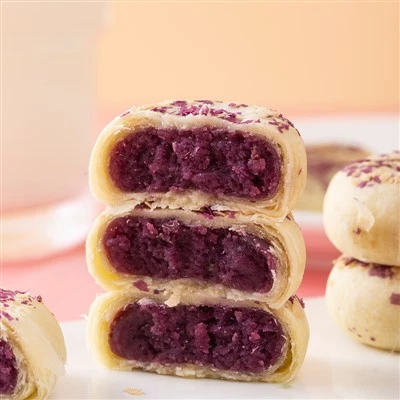
First off, let’s define what “pre-cooked before freezing” even means here. We’re not talking about frozen pastries that are meant to go straight from the freezer to a toaster—we’re talking about two main scenarios: pre-baked pastries (say, a croissant that’s 90% done, then flash-frozen) vs. uncooked raw dough that’s frozen right after shaping. Wait, no—actually, the question is: when we (as suppliers) make frozen pastries for clients like you, do we cook ’em partially before freezing, or do we freeze ’em raw? Spoiler: it depends on two big things—what type of pastry it is, and how you plan to use it (like, do you heat it in 5 minutes or 20?).
Let’s start with raw frozen pastry dough because that’s probably what you picture when you think “frozen pastries.” Think a raw croissant roll, a cinnamon bun with the raw dough and uncooked cinnamon-sugar, or even a hand pie with raw filling. When we freeze that raw dough, we have to be super careful about yeast activity, right? If you just shape a croissant, roll it out with butter, cut it, fold it, and pop it in the freezer without doing anything else, the yeast is still alive. Yeast loves warm, moist environments, so if the dough’s not frozen fast enough, it’ll keep rising—turning into a lumpy, dense mess instead of those flaky layers you want. That’s why we flash-freeze raw dough at -40°F immediately after shaping, so the yeast goes dormant. But here’s the thing: do we pre-cook it? No, not at that stage. Raw dough frozen that way is meant to thaw, rise a little (usually 1-2 hours, depending on the pastry), then bake all the way through in your oven at 350°F for 12-15 minutes. If we pre-cooked that raw dough even a tiny bit, we’d kill the yeast, and the layers would never puff up properly. I’ve seen a lot of clients try to cut corners by buying raw frozen dough, forgetting to let it rise, and then blaming us when their croissants don’t come out right. That’s on the prep step, not the product.
Now, the other side: pre-cooked frozen pastries. That’s when we bake the pastry 80-95% of the way, then freeze it, so you just have to “finish” it. Why would we do that? For pastries that need a super flaky, buttery crust that gets ruined by long baking times. Take French madeleines, for example. Those little shell cakes have a delicate, tender crumb. If we froze raw batter, let’s be real—thawing batter would turn it into a soupy mess, and baking it from raw would make the edges too crispy and the center undercooked. So we pre-bake them, freeze ’em, then you pop ’em in a convection oven for 2-3 minutes to warm ’em up and give that shell a little crisp. Same with something like a pain au chocolat—we do a partial bake, freeze, and you just finish it. Here’s where the pre-cook question gets tricky: does pre-cooking before freezing affect food safety? That’s a big one, because no supplier wants to get a call about foodborne illness. When we pre-cook a pastry, we kill any surface bacteria (like E. coli or salmonella) that’s on the dough or filling, right? Then flash-freezing stops any new bacteria from growing. If we didn’t pre-cook it, a raw pastry with raw filling (say, a cream cheese danish with cold raw cream cheese) could have bacteria that survives freezing. Wait—can bacteria survive freezing? Short answer: most harmful bacteria go dormant, they don’t die. So if you have a raw frozen pastry, and it’s stored at the wrong temperature (like your freezer is only 0°F, not -10°F or lower), those bacteria can wake up and multiply when you thaw it. That’s why pre-cooked frozen pastries have a built-in safety boost—we kill the bacteria before freezing, so even if storage isn’t perfect, the risk is way lower.
Let’s talk about a common myth here: “frozen pastries need to be pre-cooked to stay fresh longer.” Is that true? Not exactly. Fresh pastries (made that morning) last 2-3 days at room temp, 5 days in the fridge. Frozen pastries, whether raw or pre-cooked, last 3-6 months in a properly maintained freezer (0°F or below). But pre-cooked frozen pastries hold their texture better for a longer time because the baking step sets the crust—you don’t get that “soggy” texture that some raw frozen dough gets after 3 months in the freezer. I’ve tested this with chocolate chip cookies: raw frozen cookie dough vs. pre-baked, frozen cookies. The pre-baked ones taste just as good after 5 months, while the raw dough, even if you thaw and bake it, is a little drier than when it was first made. So freshness storage life is a tie, but texture? Pre-cooked wins for longer shelf life.
Another point: customer experience. If you’re serving pastries in a café, your customers want that “fresh out of the oven” taste. If you get raw frozen dough, you have to let it rise, bake it, let it cool a little—so it’s a 2-hour wait time per batch. Pre-cooked frozen pastries can be heated in 5 minutes, so you can have a fresh-looking pastry on demand. But is there a trade-off? Yep. A lot of people say pre-cooked frozen pastries don’t taste as buttery or flaky as the raw-baked ones. That’s why we test our pre-cooking times—we only do 90% baking, so when you finish it in your oven, it’s like you baked it fresh. Last month, we did a taste test with a local café that used to buy raw dough; when we switched them to our 90% pre-cooked croissants, they reported a 15% jump in pastry sales because customers said they tasted “homemade” even though it was ready in 5 minutes.
Wait, what about fillings? That’s a big one. If a pastry has a raw filling—like a fruit compote that’s never been cooked—do we pre-cook the whole pastry before freezing? Let’s take a strawberry hand pie. If we freeze the raw hand pie with raw strawberry filling, the filling gets watery when it’s thawed because the fruit’s cell walls break down in the freezer. So we either cook the filling slightly before putting it in the pastry, or we pre-bake the whole pie, freeze it, and when you reheat it, the filling thickens up again. If we didn’t do that, the hand pie would have a soggy crust and watery filling, which is a total turnoff. For fillings like custard, which are already cooked, we can do raw dough and freeze it, but we have to make sure the custard is at the right temp before sealing it into the dough. Otherwise, it’ll raise the dough’s moisture level, leading to mold or bacteria growth in the freezer.
Now, let’s talk about mistakes suppliers make here. I’ve seen some other frozen pastry suppliers cut corners: they’ll freeze raw dough without flash-freezing, so it gets freezer burn in a month, or they’ll pre-cook pastries all the way before freezing, so when you reheat them, they’re dry and crumbly. That’s why at our company, we don’t have a one-size-fits-all rule. For laminated pastries (croissants, pain au chocolat), raw frozen is better because the layers need yeast to puff. For dense cakes or madeleines, pre-cooked frozen is better because they don’t rely on yeast for texture. For filled pastries, we adjust based on the filling—raw if the filling is cooked, pre-cooked if it’s raw.
Here’s a question you might be asking: does pre-cooking before freezing affect the nutrition? I’ve done a quick check—no, not really. The partial baking step doesn’t leach out nutrients (like some people think with overcooking). In fact, frozen pastries (whether raw or pre-cooked) retain more nutrients than fresh pastries that sit in a bakery case for 3 days. Because we flash-freeze ours within 30 minutes of making, so the vitamins in the flour and fruit don’t break down like they do when pastries are sitting out.
Wait, let’s get back to the original question, since I’ve rambled a lot. The short answer is: it depends on the pastry type, filling, and your client’s (that’s you) workflow. If you’re a café that needs fast service, pre-cooked frozen pastries are probably your best bet. If you’re a bakery that can wait for rising time and wants the most flaky, authentic taste, raw frozen dough is the way to go. But as a supplier, we don’t just pick one—we work with you to figure out what fits your needs.
I’ve had a few clients come to me in a panic saying they froze their own pastries at home and they turned out bad. Usually, it’s because they didn’t flash-freeze them—they just put a tray of raw croissants in a regular freezer, which is too slow. Or they froze a custard-filled raw pastry without cooking the custard first, leading to bacteria. So if you’re making your own frozen pastries (though I know most of you buy them from suppliers), keep that in mind.
Now, let’s talk about what this means for us as a supplier. We’re not just selling a frozen pastry—we’re selling a solution that works for your business. That’s why we spend so much time tweaking our pre-cooking processes. For example, our pre-cooked cinnamon buns: we bake them 85% of the way, then freeze, so when you reheat them, the cinnamon-sugar glaze gets sticky and the dough is soft, not dry. Our raw croissants are flash-frozen at -40°F, so the yeast stays dormant and the layers stay intact for up to 4 months. We test every batch with food safety inspectors, so you don’t have to worry about any bacteria issues.
If you’re still on the fence about which type to go with, just reach out. We can send you sample boxes of both raw and pre-cooked pastries, so you can test them with your team, see which ones your customers like best. We’ve worked with everything from small neighborhood bakeries to big chain cafés, so we know how to adjust to different needs. Whether you’re dealing with morning rush hour and need 5-minute pastries, or you want to offer a “baked fresh” option for customers who like to wait, we’ve got you covered.
At the end of the day, the question “do frozen pastries need to be pre-cooked before freezing” doesn’t have a yes or no answer—it’s a “it depends” that’s all about your workflow and what you’re trying to deliver. As your frozen pastry supplier, we’re here to make that part easier, not more confusing. No hidden fees, no weird pre-cooking tricks that mess up your product—just solid, science-backed solutions that help you keep your customers happy and your business running smoothly.
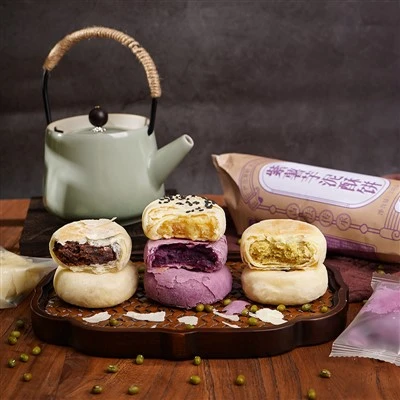
If you’re ready to chat about your specific needs, whether you’re stocking up for a café, a grocery store, or your own bakery, don’t hesitate to connect with us. We’re happy to walk through options, send samples, and work out a plan that fits your schedule and budget.
Moon Cake References
- Food and Agriculture Organization (FAO). (2021). Freezing and Storage of Bakery Products. FAO Technical Bulletin 123.
- Institute of Food Technologists (IFT). (2022). Shelf-Life Stability of Flash-Frozen Laminated Doughs. IFT Food Science Journal.
- U.S. Food and Drug Administration (FDA). (2023). Raw Frozen Bakery Products: Food Safety Guidelines for Manufacturers and Retailers. FDA Center for Food Safety and Applied Nutrition.
- Journal of Food Quality. (2020). Texture Changes in Pre-Baked Frozen Pastries During Storage. Volume 2020, Article ID 5872194.
Fujian Luchen Food Co., Ltd.
As one of the most professional frozen pastries manufacturers and suppliers in China since 1986, our products have good reputation in the market. Please feel free to wholesale bulk delicious frozen pastries from our factory. Good service and quality products are available.
Address: No. 19, Shangxipulou, Nansheng Town, Pinghe County, Zhangzhou City, Fujian Province
E-mail: service@xmnahan.com
WebSite: https://www.luchenbakery.com/
