Hey everyone, let’s cut to the chase – if you’re like most engineers, fabricators, or production leads I chat with every week, you’ve probably stared at a parts assembly table going, “Do I go with fasteners here, or just slap on adhesives and call it a day?” I’m Jake, I run a small but busy special fastener supply shop, and I get it – adhesives sound easy, right? No drilling holes, no torque specs, just squeeze some goop and move on. But if you’ve been burned by a bond that fails in the middle of a 3am production run, or had to take apart a part that was glued wrong for a replacement, you know that “easy” often comes with a huge hidden cost. Today I’m breaking down why special fasteners beat adhesives for most jobs, and this isn’t just sales talk – it’s stuff I’ve seen first-hand from customers fixing real headaches. Special Fasteners
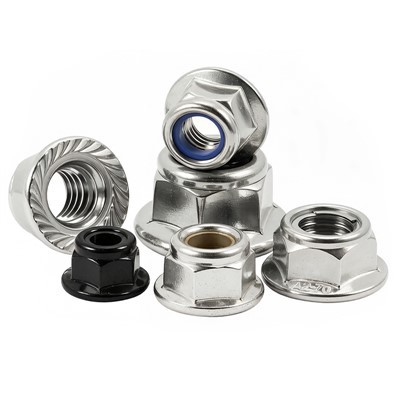
First off, let’s talk about strength, because that’s the big one no one argues about. Adhesives are great for holding two flat, smooth surfaces together, but push or pull them hard, and what happens? They snap. I had a customer a few months back who built outdoor patio furniture – glued aluminum joints, and by week three, half of them popped apart when the wind kicked up. They came to me for custom metal fasteners, specifically ones designed to bite into non-ferrous metals, and a month later they texted me: “Haven’t had a single call about loose joints.” Special fasteners, the ones we make to fit your exact part specs, distribute load way more evenly across the entire connection, not just a thin layer of sticky goo. That means way higher tensile strength – like, some of our custom bolts can handle 50,000+ pounds of pull, which no industrial adhesive on the market can touch. And don’t even get me started on shear strength – if you’re assembling moving parts, adhesives can slip right apart under constant side pressure. Fasteners don’t do that; they lock into place, period.
Next up, durability in brutal environments. Let’s say you’re working on agricultural equipment, or a construction crane, or even a marine part – places where temperatures swing from freezing to 100+ degrees, or there’s moisture, salt, chemicals, or dirt flying around. Adhesives break down in that stuff. UV rays will make them turn brittle in a year. Sea salt will eat at the bond line until it’s just gone. Chemicals like lubricants or cleaning supplies will eat through most industrial adhesives like acid on paper. Special fasteners, though? We can make them out of stainless steel, titanium, even coated with corrosion-resistant finishes that hold up to salt, heat, whatever you throw at them. I had a farm equipment customer switch from glued hydraulic line brackets to our custom zinc-plated carriage bolts a couple years ago – before that, every harvest season they’d replace half their brackets because the glue rotted out. Now they haven’t had a single issue. Fasteners don’t degrade over time the way adhesives do – they’re mechanical, so they don’t “wear out” the way a chemical bond does.
Then there’s repairability and disassembly, which is a game-changer for anyone who has to fix parts or swap out components. Adhesives are forever. If you glue a part wrong, or a component inside breaks, you can’t just pull it apart – you have to chisel it off, sand the surface smooth, and hope you don’t damage the rest of the part in the process. That costs time, costs parts, costs money. Fasteners? Just unscrew them, swap out the broken part, and you’re done. A customer in the medical device space told me last year that switching to our specialty socket head fasteners (they needed ones that wouldn’t slip under a surgical tool’s torque) cut their repair time for devices by 70%. Before, they had to oven-heat glued components to melt the adhesive – that took hours, risked damaging the electronics inside, and was a huge bottleneck. Now they swap out parts in minutes, no heat, no mess, no extra work. And for maintenance teams? This is huge. Imagine being on a job site, and a machine part comes loose – if it’s glued, you have to call a specialist with special tools to get it apart. If it’s fasteners, you grab your wrench and fix it yourself. Way less downtime.
Wait, let’s not forget consistency and quality control. When you use adhesives, how thick is the bond line? Is it even across both parts? Did the technician apply enough, or too much, or too little? All that changes depending on who’s doing the work, how tired they are, even the humidity in the shop. That leads to inconsistent bonds, which means you get parts that pass inspection and then fail later, or parts that don’t pass at all. Special fasteners, though? They’re made to exact specs every single time. A 1/4-20 bolt from our shop is the same as the next one, no variation. You torque it to the spec the engineer set, and it’s locked in. No guesswork, no variability. A customer in the automotive industry told me that after switching from adhesives to our custom fasteners for their interior trim, their defect rate for loose trim dropped by 85%. Before, one worker might apply too much glue and have it squeeze out, another might apply too little and have it pop off. Fasteners eliminate that human error, which is massive for quality control.
Another big one: temperature performance at the extremes. I talked a little about this earlier, but it’s worth drilling down. Adhesives have a glass transition temperature – that’s the point where they go from solid and strong to soft and mushy. For most industrial adhesives, that’s around 150-200 degrees Fahrenheit. If you’re working on something like a engine part, or a industrial oven component, that’s way too low. Glue that’s fine for a phone case will melt the second it gets near a hot engine. Special fasteners? Some of the ones we make for high-heat applications can handle 1,000+ degrees Fahrenheit, no problem. I had a customer who builds industrial furnaces come to me a year ago – they were using high-temperature adhesives for the door hinges, and after a few months, the glue would soften and the door would sag. We made them custom high-temperature alloy bolts, and they’ve been running for 18 months with zero issues. On the flip side, cold? Adhesives get brittle when it’s below freezing, so if you’re working on something like a refrigeration unit or an outdoor sign in a cold climate, glue will crack. Fasteners don’t care – they work just as well at -40 degrees as they do at 100 degrees.
Oh, and let’s talk about load handling for dynamic applications. If your parts are moving – like a robot arm, a car suspension, or a door that opens and closes thousands of times a day – adhesives are terrible at fatigue. Constant movement, vibration, expansion and contraction from temperature changes will make the adhesive bond crack and fail over time. It’s called cyclic fatigue, and it’s the reason so many glued parts on machinery break after a few thousand uses. Special fasteners, though? They’re designed to handle that cyclic load. The threads grip the material, so they flex and move with the part, not against it. A customer who builds industrial robot arms told me that switching from glued joints to our custom vibration-resistant bolts cut their maintenance costs for the arms by 60%. Before, they’d have to re-glue every joint every 6 months because the vibration would break the adhesive. Now, they torque the bolts once, and they’re good for years. That’s not just saving them time – it’s saving them from costly downtime on production lines.
Wait, I know some of you are thinking: “But adhesives can bond different materials, right?” Yeah, that’s true. But so can special fasteners. We make fasteners that work with plastic, wood, metal, even composites – all the same stuff you bond with adhesives. The difference is, when you use a fastener to bond two different materials, you don’t have to worry about something called CTE (coefficient of thermal expansion). Different materials expand and contract at different rates when heated or cooled. Gluing aluminum and plastic, for example – the aluminum expands way more than the plastic, so the bond line stretches and breaks over time. If you use a fastener, it has a little play (or we can design it with a locking mechanism) to account for that expansion and contraction, so it doesn’t break. I had a customer who made playground equipment for schools – they were gluing plastic and steel together, and after a year, the sun would make the plastic expand, cracking the glue. We made them custom fasteners with a small slotted shank that lets the plastic move without pulling the fastener loose, and that solved their problem entirely. No more broken bonds, no more liability for cracked playground equipment.
Let’s also talk about cost, because at the end of the day, everyone cares about that. A lot of people look at a tube of adhesive and think “that’s cheaper than a fastener.” But that’s the short-term cost. Let’s do the math: if you use adhesive, you’re spending money on the adhesive itself, but you’re also spending labor time applying it, waiting for it to cure (that can be hours, even overnight), dealing with rejects from bad bonds, repairing parts that fail in the field, and all the downtime that comes with that. Fasteners might cost a little more upfront, but you don’t have to wait for them to “set” – you torque them on, and they’re good to go. You have way fewer rejects, way less downtime, way less repair cost. A customer in the HVAC industry told me that switching from adhesives to our special fasteners for their ductwork assemblies cut their total production cost by 22%. The fasteners were 10% more expensive per unit, but the labor saved from not applying and waiting for adhesive, plus the 15% drop in field failures, made it way cheaper overall. That’s not a small number – that’s a huge impact on their bottom line.
Now, I’m not here to say adhesives are totally useless. If you’re bonding two flat, non-load-bearing surfaces that never move, never get hot, never see harsh conditions, adhesives can work. But for 90% of the jobs my customers bring me – assembly, moving parts, outdoor equipment, industrial machinery, automotive, aerospace, medical, any application where reliability matters – special fasteners are the way to go. They fix the headaches that adhesives cause: failure in harsh environments, disassembly and repair, inconsistent quality, fatigue from vibration, extreme temperatures, and hidden long-term costs.

I talk to new customers every week who’ve tried adhesives and got burned, and they come to me frustrated, because they’re dealing with parts failing, downtime, extra labor, all kinds of headaches. That’s why I started this business – to supply special fasteners that are designed to solve those exact problems, not just hold parts together. We work with you to design fasteners that fit your exact application, whether you need something for a medical device that can’t slip, or a construction part that needs to hold 10,000 pounds, or a farm bracket that can handle weather year-round. If you’re tired of dealing with adhesive failures, or you just want to make your production more reliable and cheaper long-term, reach out to us to chat about your project. We don’t do one-size-fits-all, we do fasteners that work for your specific needs.
Washers References:
- Industrial Fasteners Institute. (2022). Load Distribution and Fatigue Performance of Mechanical Fasteners vs. Adhesive Bonds. Fastener Industry Technical Report.
- Society of Manufacturing Engineers. (2021). Design for Assembly: Cost and Reliability Comparisons Between Adhesives and Special Fasteners. SME Manufacturing Journal.
- NASA Engineering Safety Center. (2020). Environmental Durability of Mechanical Fasteners vs. Structural Adhesives for Aerospace Applications. NASA Technical Note.
- ASM International. (2019). Corrosion Resistance and Temperature Performance of Fastener Materials in Harsh Industrial Environments. ASM Materials Science Review.
- Medical Device and Diagnostic Industry. (2023). Assembly Methods for Implantable Devices: Fastener Reliability vs. Adhesive Bonding Performance. MDDI Technical Brief.
Shanghai Megood Metal Products Co., Ltd.
As one of the most experienced special fasteners manufacturers and suppliers in China, we have world-leading production equipment and strong manufacturing capabilities. Please rest assured to wholesale bulk special fasteners made in China here and get quotation from our factory. Customized orders are welcome.
Address: Building 8, No. 1500 Huiren Road, Waigang Town, Jiading District, Shanghai
E-mail: liujingshco@163.com
WebSite: https://www.mgx-hardware.com/
