If you’ve ever stood beside a professional pressure washing job site, watching a gun blast away decades-old grime from a concrete driveway or caked-on mud from heavy construction equipment, you’ve probably wondered: what makes that spray powerful enough to strip years of buildup in seconds? The answer boils down to the pressure rating of the high pressure washer gun—and as a supplier who’s worked with contractors, property managers, and hobbyists across North America for the past eight years, I’ve seen firsthand how getting this number right isn’t just a technical detail—it’s what separates a job well done from equipment damage, wasted time, or even safety risks. High Pressure Washer Gun
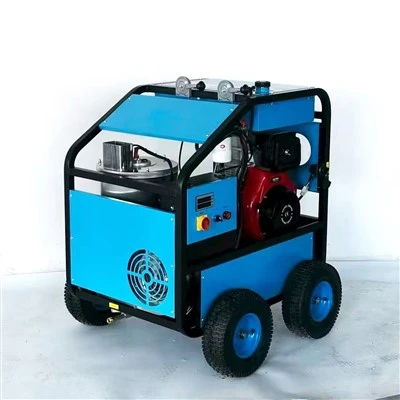
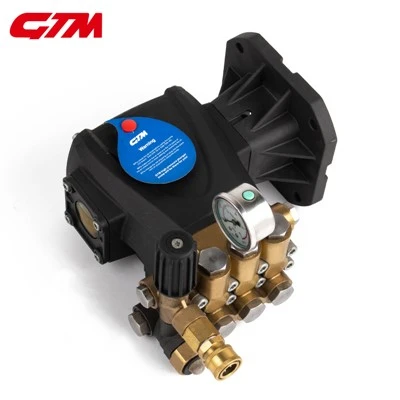
Let’s start with the basics, because pressure ratings for these guns aren’t just random numbers printed on a label. They measure the force (in pounds per square inch, or PSI) exerted by the water as it exits the gun’s nozzle. But here’s the thing that confuses a lot of people: that number doesn’t exist in a vacuum. A gun’s pressure rating is directly tied to the pressure output of the pressure washer pump it connects to, the size and type of nozzle used, and even the length of the high-pressure hose running between the pump and the gun. A common mistake I see new buyers make is buying a gun rated for 4,000 PSI to pair with a 5,000 PSI washer, then wondering why the gun leaks or cracks after a few uses. That’s because mismatched ratings mean too much force is hitting components that aren’t built to handle it.
Over the years, I’ve split the pressure ratings of high pressure washer guns into three clear categories, each designed for specific use cases—and that’s not just my opinion. Industry standards from the Pressure Washing Industry Association (PWIA) and material testing done by independent engineering firms back this up. Let’s break them down. First, entry-level guns, which usually fall between 1,500 and 2,500 PSI. These are the ones we supply to residential users and small hobbyists for washing decks, patios, or light vehicle grime. They’re lightweight, affordable, and built to handle the lower pressure of consumer-grade washers. I often remind customers that these aren’t powerful enough for heavy-duty jobs like stripping paint or removing tree sap from a house siding—trying to crank them up beyond their rating doesn’t work, and it can damage the gun’s seals.
Next, mid-range guns, which sit between 2,500 and 4,000 PSI. This is the sweet spot for most small to mid-sized contractors, and it’s the most popular category we ship every month. These guns are built with reinforced brass or stainless steel components, thicker O-rings, and trigger mechanisms designed to handle consistent, moderate pressure. They work with the 3,000 to 3,800 PSI washers that most handyman services use for cleaning driveways, removing mold from fence lines, or prepping surfaces for painting. Last year, we had a local contractor come in because he was using a 2,800 PSI gun for commercial parking lot cleaning, and it was wearing out every two months. We swapped him to our mid-range model rated for 3,800 PSI, and he told me it’s lasted ten times longer because it’s built to handle the sustained pressure of full days on a job site. That’s the value of matching a gun’s rating to your actual workload—not just the washer it’s attached to.
Then there’s heavy-duty commercial-grade guns, the ones we send to general contractors, fleet maintenance teams, and industrial cleaning companies. These typically have pressure ratings between 4,000 and 6,000 PSI, and some specialty models go even higher for industrial uses like removing concrete formwork or heavy oil residue from factory floors. The construction here is night and day compared to entry-level models: they use solid stainless steel bodies, heavy-duty trigger valves that can handle constant firing, and nozzles made from carbide or tungsten, which resist wear from high-pressure water. We supply these to a lot of highway maintenance crews, who need to blast away road salt and debris in freezing temperatures, and the higher pressure rating means the spray doesn’t lose its force even when paired with the large, high-flow pumps they use for long stretches of road cleaning. I always emphasize to commercial buyers that this isn’t overkill—when you’re cleaning 500 feet of highway in a single day, a gun that can’t maintain its pressure rating after hours of use will cost you more in downtime than the extra investment in the right model.
But here’s a critical point most customers don’t learn until they have a problem: pressure rating isn’t the only number to look at. Flow rate, measured in gallons per minute (GPM), works hand in hand with PSI to determine how effective a gun is. A gun rated for 4,000 PSI with a GPM of 2.0 will clean twice as fast as a 4,000 PSI gun with a GPM of 1.0, because it’s moving more water per minute. That’s why we don’t just list pressure ratings on our product pages—we list both PSI and GPM, so customers can match both to their pump’s specs. Too many people fixate only on PSI, and end up with a gun that’s powerful but doesn’t move enough water to get the job done quickly, or vice versa.
Safety is another reason pressure ratings matter, and it’s something I care about deeply as a supplier. The Occupational Safety and Health Administration (OSHA) has specific guidelines for high pressure equipment, because a spray from a gun rated for 3,000 PSI can penetrate skin and cause serious injury—even more so with higher-rated models. A gun’s pressure rating tells you the maximum force it can exert, and operating a gun above its rated pressure voids most manufacturer warranties and can put both the user and bystanders at risk. Last year, we had a customer who tried to use a residential gun rated for 2,500 PSI with a commercial washer that put out 3,500 PSI. The gun’s seal failed, and water sprayed back and hit his arm, causing a deep puncture that required stitches. He came back to us embarrassed, but we used that incident to create a quick guide on our website: “How to Match Your Gun’s Pressure Rating to Your Washer” to help other buyers avoid the same mistake.
It’s also important to note that pressure ratings are tested under controlled conditions, which means real-world use can slightly adjust that number. Nozzle size is the biggest factor here: a smaller nozzle increases pressure, while a larger nozzle decreases it. If you swap a 0-degree (high-pressure, narrow spray) nozzle for a 25-degree (wider, lower pressure) nozzle, the actual pressure at the tip will drop by hundreds of PSI, even if the gun’s rating is still the same. Hose length also plays a role: a 50-foot high-pressure hose will lose a small amount of pressure compared to a 10-foot hose, so if you’re working on a large job site and need extra hose length, you might want to look for a gun rated 500 to 1,000 PSI higher than your pump’s output to compensate for that loss. That’s a tip we give every commercial customer, because they often need to run hoses 100 feet or more to reach different parts of a property.
As a supplier, we don’t just sell guns with pre-set pressure ratings. We work with each customer to figure out exactly what they need. If you’re a homeowner washing your car and patio once a month, an entry-level gun rated for 2,000 PSI is all you need—you don’t want to pay extra for a heavy-duty model you’ll never use. If you’re a contractor cleaning parking lots every week, we’ll help you pick a mid-range gun rated for 3,500 to 4,000 PSI, with a GPM that matches your pump, so you can get the job done fast without replacing your gun every few months. And if you’re an industrial client cleaning heavy equipment or factory floors, we’ll steer you toward our commercial-grade models rated for 5,000 PSI or higher, with features like ergonomic handles to reduce fatigue during long shifts.
I’ve been in this business long enough to know that pressure ratings can seem confusing at first, but once you understand how they tie to your actual use case, it becomes straightforward. Too many people buy pressure washer guns based on the highest PSI number they can find, only to find that it’s too heavy, too expensive, or not suited for the jobs they do. That’s why we prioritize education as much as product quality. We offer free specs sheets for every gun we supply, including detailed pressure and flow rate tests, and our team is always available to walk through what you need for your specific projects.
If you’re in the market for a new high pressure washer gun, or if you’re having trouble figuring out if your current gun is the right fit for your pump, feel free to reach out to our team to discuss your requirements. Whether you’re a residential user, a small business owner, or a large commercial operation, we can help you find a gun with the correct pressure rating and features to get the job done safely and efficiently.
Washer Hose References
- Pressure Washing Industry Association. (2022). Standard Specifications for High Pressure Washer Guns and Accessories. PWIA Technical Committee.
- Occupational Safety and Health Administration. (2021). Safety Guidelines for High Pressure Cleaning Equipment. OSHA 3750-08.
- Material Testing and Evaluation Institute. (2020). Durability Testing of High Pressure Washer Gun Components Under Varying Pressure Ratings. MTEI Engineering Report No. HPWG-20-04.
Zhejiang GTM Hi-Tech Intelligent Equipment Co., Ltd.
As one of the most professional high pressure washer gun manufacturers and suppliers in China, we also support customized service. With abundant experience, we warmly welcome you to buy discount high pressure washer gun for sale here from our factory. For price consultation, contact us.
Address: No.5 of Changjiang Road, 2nd Economic Development Zone of Wenling, Zhejiang, China
E-mail: yehuanting1@hongyemfg.com
WebSite: https://www.gtm-plungerpump.com/
