As a seasoned supplier of industrial fan regulators, I’ve encountered a wide array of issues that customers face with these essential devices. Industrial fan regulators play a pivotal role in controlling the speed and performance of industrial fans, which are crucial for maintaining proper ventilation, temperature control, and air circulation in various industrial settings. In this blog, I’ll share some insights on how to troubleshoot common problems with an industrial fan regulator. Industrial Fan Regulator
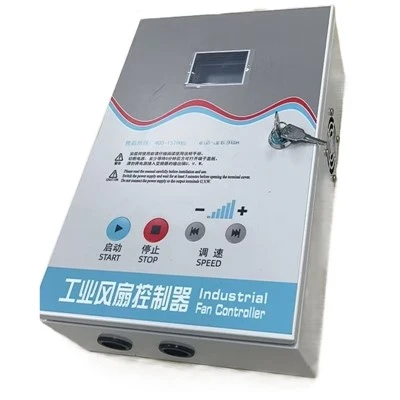
1. Fan Not Responding to Regulator Settings
One of the most common issues is when the fan doesn’t respond to the settings on the regulator. This could be due to several factors.
- Power Supply Issues: First, check if the power supply to the regulator is intact. A loose connection, a blown fuse, or a tripped circuit breaker can disrupt the power flow. Ensure that the voltage supplied to the regulator matches its specifications. For example, if the regulator is designed for a 220V input and is receiving a lower voltage, it may not function correctly. Use a multimeter to measure the voltage at the input terminals of the regulator. If the power supply is the problem, fix the connection, replace the fuse, or reset the circuit breaker as needed.
- Wiring Problems: Faulty wiring can also cause the fan not to respond. Inspect the wiring between the regulator and the fan. Look for any signs of damage, such as frayed wires, loose connections, or broken wires. If you find any damaged wiring, repair or replace it. Make sure that the wiring is properly connected according to the manufacturer’s instructions. Incorrect wiring can lead to short – circuits or improper functioning of the regulator.
- Regulator Malfunction: If the power supply and wiring are in good condition, the regulator itself may be malfunctioning. Some regulators have built – in indicators that can help diagnose the problem. Check if there are any error codes or warning lights on the regulator. If possible, test the regulator with a different fan to see if the problem persists. If the regulator still doesn’t work, it may need to be repaired or replaced.
2. Inconsistent Fan Speed
Another common problem is inconsistent fan speed. The fan may speed up or slow down unexpectedly, or it may not maintain a steady speed.
- Sensor Issues: Many industrial fan regulators use sensors to monitor and control the fan speed. A faulty sensor can cause inconsistent speed control. For example, if the temperature sensor is not working correctly, the regulator may not adjust the fan speed according to the actual temperature. Check the sensors for any signs of damage or malfunction. Clean the sensors if they are dirty, as dirt can interfere with their operation. If the sensor is damaged, replace it with a new one.
- Capacitor Problems: Capacitors are used in some regulators to store and release electrical energy. A faulty capacitor can cause fluctuations in the fan speed. Visually inspect the capacitors for any signs of swelling, leaking, or burning. If you notice any of these symptoms, the capacitor needs to be replaced. Capacitor replacement should be done by a qualified technician, as incorrect replacement can be dangerous.
- Software or Firmware Glitches: Some modern industrial fan regulators are equipped with software or firmware that controls their operation. A glitch in the software or firmware can lead to inconsistent fan speed. Check if there are any available software or firmware updates for the regulator. Install the updates according to the manufacturer’s instructions. Sometimes, a simple reboot of the regulator can also resolve software – related issues.
3. Overheating of the Regulator
Overheating of the regulator is a serious problem that can lead to its failure and potentially cause a fire hazard.
- Poor Ventilation: The regulator needs proper ventilation to dissipate heat. If it is installed in a confined space or if the ventilation holes are blocked, it can overheat. Check the installation location of the regulator and ensure that there is adequate space around it for air circulation. Remove any obstructions from the ventilation holes. You may also consider installing a small fan near the regulator to improve ventilation.
- Overloading: If the regulator is overloaded, it will generate more heat than it can dissipate. Check the power rating of the regulator and make sure that the fan it is controlling is within the regulator’s capacity. If the fan has a higher power draw than the regulator can handle, you may need to upgrade to a more powerful regulator.
- Internal Component Failure: A faulty internal component, such as a transistor or a resistor, can cause excessive heat generation. If the regulator continues to overheat even after checking the ventilation and load, it may have an internal component failure. In this case, it is best to contact a professional technician for repair or replacement.
4. Noise from the Regulator
Unusual noise from the regulator can be annoying and may indicate a problem.
- Loose Components: Check if there are any loose components inside the regulator. A loose screw, a vibrating circuit board, or a loose wire can cause rattling or buzzing noises. Open the regulator (if it is safe to do so and you have the necessary skills) and tighten any loose components. However, be careful not to damage any internal parts.
- Electrical Interference: Electrical interference can also cause noise in the regulator. This can be due to nearby electrical equipment, power surges, or electromagnetic interference. Try moving the regulator away from other electrical devices or use a power conditioner to filter out electrical interference.
- Mechanical Wear and Tear: In some cases, the noise may be due to mechanical wear and tear of the regulator’s moving parts, if any. If the regulator has a motor or a fan for internal cooling, the bearings or blades may be worn out. Replace the worn – out parts as needed.
5. Display or Indicator Issues
If your industrial fan regulator has a display or indicator lights, problems with these can occur.
- Blown Display Backlight: If the display is not visible, the backlight may be blown. Check the display control board and see if there are any signs of damage. If the backlight is the problem, it may need to be replaced. Some displays have replaceable backlight bulbs or LED strips.
- Faulty Indicator Lights: Indicator lights that are not working correctly may indicate a problem with the regulator’s internal circuitry. Check if the indicator bulbs are burned out. If they are, replace them. If the problem persists, it could be a more serious internal issue, and professional help may be required.
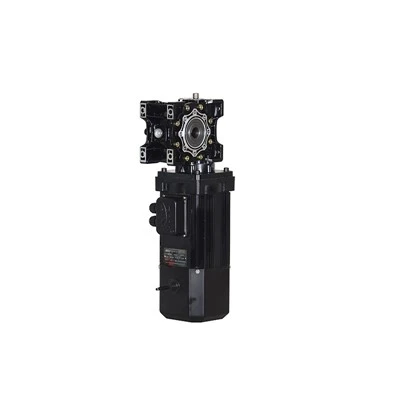
If you’re facing persistent problems with your industrial fan regulator or are in the market for a new one, don’t hesitate to reach out to us for further assistance. Our team of experts is well – versed in industrial fan regulators and can provide you with the best solutions for your needs. Whether you need help with troubleshooting, product selection, or installation, we’re here to help. Let’s start a conversation to see how we can meet your industrial fan regulator requirements and ensure the smooth operation of your ventilation systems.
Stretch Wrapper Control System References
- Industrial Fan Association Standards Handbook
- Manufacturer’s manuals for various industrial fan regulators
- Electrical Engineering textbooks on power control and regulation
Wuxi Rstar Electric Co., Ltd.
With abundant experience, we are one of the most professional industrial fan regulator manufacturers and suppliers in China. Welcome to wholesale bulk customized industrial fan regulator at competitive price from our factory. If you have any enquiry about quotation, please feel free to email us.
Address: 9th Floor, Building 9, Shengfeng Lianzhi Valley, No.67 Zhujiang Road, Xinwu District, Wuxi City
E-mail: rstarbz@163.com
WebSite: https://www.rstar-wx.com/
