How much CO2 can a CO2 plant produce?
As a CO2 plant supplier deeply entrenched in this industry, many customers often ask me, "How much CO₂ can a CO₂ plant produce?" The answer to this question is not a one – size – fits – all, as it depends on a multitude of factors. CO2 Plant
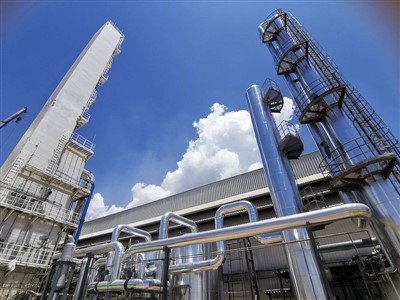
1. Scale of the CO₂ Plant
The scale of a CO₂ plant is perhaps the most obvious determinant of its production capacity. CO₂ plants come in various sizes, ranging from small – scale units designed for local applications, such as a small brewery or a greenhouse, to large – scale industrial plants that can supply CO₂ to multiple industries on a regional or even national level.
Small – scale CO₂ plants typically have a production capacity in the range of a few hundred kilograms to several tons per day. These plants are usually more compact and cost – effective for businesses with relatively low CO₂ requirements. For example, a small brewery might need a CO₂ plant that can produce 500 kilograms to 2 tons of CO₂ per day to carbonate its beer.
On the other hand, large – scale industrial CO₂ plants can produce hundreds or even thousands of tons of CO₂ per day. These plants often use advanced technologies and have significant capital investments. They are capable of meeting the high – volume CO₂ demands of industries like food and beverage processing, chemical manufacturing, and oil and gas extraction. For instance, a large – scale food processing plant might require a CO₂ plant that can produce 500 tons of CO₂ per day to preserve and package its products.
2. Technology and Equipment Used
The technology and equipment employed in a CO₂ plant play a crucial role in determining its production capacity. Modern CO₂ plants use a variety of methods to produce CO₂, including steam reforming of natural gas, fermentation processes, and capture from industrial waste gases.
Plants that use advanced steam reforming technology are generally more efficient and can produce larger quantities of CO₂. This process involves reacting natural gas with steam at high temperatures to produce hydrogen and CO₂. The efficiency of the reforming reaction and the subsequent separation and purification processes can significantly impact the overall production capacity. For example, a state – of – the – art steam reforming CO₂ plant can achieve a high conversion rate of natural gas to CO₂, resulting in a higher production output.
Fermentation – based CO₂ plants, commonly used in the brewing and bioethanol industries, have a different production capacity profile. The amount of CO₂ produced is directly related to the amount of fermentation taking place. In a large – scale bioethanol plant, for example, the fermentation of large volumes of feedstock can generate substantial amounts of CO₂ as a by – product. However, the production capacity is also limited by the rate of fermentation, which is influenced by factors such as the type of microorganisms used, temperature, and pH levels.
CO₂ capture plants that extract CO₂ from industrial waste gases, such as those emitted from power plants or cement factories, have their own set of challenges and opportunities. The production capacity of these plants depends on the volume and concentration of CO₂ in the waste gas stream, as well as the efficiency of the capture and purification processes. Advanced capture technologies, such as amine – based absorption systems, can improve the efficiency of CO₂ capture and increase the production capacity of these plants.
3. Feedstock Availability and Quality
The availability and quality of the feedstock used in a CO₂ plant are essential factors that affect production capacity. Different types of CO₂ plants rely on different feedstocks. For steam reforming plants, natural gas is the primary feedstock. The quantity and quality of the natural gas supply can have a direct impact on the plant’s production capacity.
If the natural gas supply is limited, the plant will not be able to operate at full capacity. Additionally, the quality of the natural gas, including its methane content and impurities, can affect the efficiency of the steam reforming process. High – quality natural gas with a high methane content and low impurities will result in a more efficient reaction and higher CO₂ production.
In fermentation – based plants, the type and quality of the feedstock (such as grains or sugars) are crucial. The availability of a consistent supply of high – quality feedstock is necessary to maintain a stable production rate. Contaminated or low – quality feedstock can lead to reduced fermentation efficiency and lower CO₂ production.
For CO₂ capture plants, the characteristics of the waste gas stream, including its temperature, pressure, and composition, are important considerations. A waste gas stream with a high CO₂ concentration and suitable operating conditions will make it easier and more cost – effective to capture and produce CO₂.
4. Operational Parameters
The operational parameters of a CO₂ plant, such as temperature, pressure, and flow rate, also have a significant impact on production capacity. Maintaining the optimal operating conditions is essential for maximizing the efficiency of the plant.
In steam reforming plants, the temperature and pressure at which the reforming reaction takes place are critical. Higher temperatures generally increase the reaction rate, but they also require more energy. Therefore, finding the optimal temperature and pressure combination is a balance between reaction efficiency and energy consumption.
In fermentation – based plants, temperature and pH control are crucial for the growth and activity of the microorganisms responsible for fermentation. Maintaining the right temperature and pH levels ensures that the fermentation process proceeds at an optimal rate, resulting in higher CO₂ production.
The flow rate of the feedstock and other reactants in the plant also affects production capacity. A higher flow rate can increase the throughput of the plant, but it must be carefully controlled to ensure that the reactions occur completely and that the quality of the produced CO₂ meets the required standards.
5. Maintenance and Downtime
Regular maintenance of a CO₂ plant is essential to ensure its long – term reliability and production capacity. Over time, the equipment in the plant can wear out, and fouling or corrosion can occur, which can reduce the efficiency of the plant and ultimately its production capacity.
Scheduled maintenance activities, such as equipment inspections, cleaning, and replacement of worn – out parts, are necessary to keep the plant operating at peak performance. However, during maintenance periods, the plant is usually shut down, resulting in a temporary loss of production. Minimizing the frequency and duration of maintenance downtime is crucial for maximizing the overall production capacity of the plant.
Unscheduled downtime due to equipment failures or other emergencies can also have a significant impact on production. A well – designed CO₂ plant with redundant systems and advanced monitoring technologies can help reduce the risk of unscheduled downtime and ensure a more consistent production output.
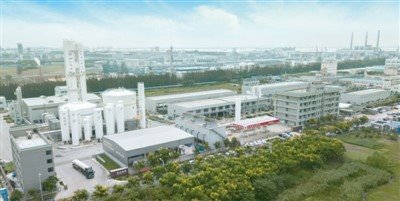
In conclusion, the amount of CO₂ that a CO₂ plant can produce is a complex function of its scale, the technology and equipment used, feedstock availability and quality, operational parameters, and maintenance practices. As a CO₂ plant supplier, we understand the importance of these factors and work closely with our customers to design and build CO₂ plants that meet their specific production requirements.
Rare/Special Gas Equipment If you are in the market for a CO₂ plant and want to discuss your production needs, we are here to help. Our team of experts can provide you with detailed information about the different types of CO₂ plants, their production capacities, and associated costs. We can also assist you in choosing the most suitable plant for your business and ensure a smooth installation and commissioning process. Please reach out to us to start the conversation about finding the perfect CO₂ plant solution for your operations.
References
- Mims, C. A. (2019). "Secreting carbon dioxide from the atmosphere for now food". MIT Technology Review.
- King, D. (2020). "How carbon capture will change the world". Foreign Affairs.
- Hook, M., & Aleklett, K. (2019). "A review of global CO₂ emissions from fossil fuels—a challenge for humanity". Renewable and Sustainable Energy Reviews.
Hanturbo Technology (Zhejiang) Co., Ltd.
Hanturbo Technology (Zhejiang) Co., Ltd. is one of the most professional co2 plant manufacturers and suppliers in China, also supports custom service. We warmly welcome you to buy discount co2 plant made in China here and get quotation from our factory. For price consultation, contact us.
Address: No.118, Wangluo Road, Deqing County, Huzhou City, Zhejiang Province, China.
E-mail: andyxu@hanturbo.com.cn
WebSite: https://www.hanturbo-gas.com/
