As a provider of submerged arc furnaces, I’ve witnessed firsthand the industry’s growing need to reduce emissions. Submerged arc furnaces are used in a variety of industrial processes, including the production of ferroalloys, silicon metal, and other non – ferrous metals. However, these furnaces can be significant sources of environmental pollutants such as particulate matter, sulfur dioxide, and greenhouse gases. In this blog, I’ll share some practical strategies that we, as a supplier, recommend to reduce the emissions of submerged arc furnaces. Submerged Arc Furnace

1. Optimize Furnace Design
The design of the submerged arc furnace plays a crucial role in determining its emission levels. A well – designed furnace can improve combustion efficiency and reduce the generation of pollutants.
- Electrode Selection and Placement: Using high – quality electrodes with proper conductivity and density can enhance the electrical efficiency of the furnace. The correct placement of electrodes is also essential. By ensuring an even distribution of the electrical current, we can achieve more uniform heating of the charge materials, which in turn reduces the formation of unburned substances and pollutants. For instance, carefully calibrating the distance between electrodes can prevent excessive arcing and uneven melting, thereby minimizing the release of particulate matter and noxious gases.
- Sealing and Insulation: Effective sealing of the furnace is vital to prevent the leakage of flue gases. We recommend using advanced sealing materials and technologies to ensure a tight enclosure. Good insulation helps maintain the temperature inside the furnace, reducing the energy input required for the melting process. A well – insulated furnace operates more efficiently, thus reducing the overall fuel consumption and, subsequently, the emissions of carbon dioxide and other greenhouse gases.
2. Improve Charge Material Quality
The quality of the charge materials fed into the submerged arc furnace has a direct impact on the emission levels.
- Purity of Raw Materials: High – purity raw materials contain fewer impurities, which means less generation of unwanted by – products during the smelting process. For example, when producing ferroalloys, using iron ore with a high iron content and low levels of sulfur and phosphorus can significantly reduce the emissions of sulfur dioxide and other pollutants. We work closely with our customers to source and select the best – quality raw materials for their specific applications.
- Particle Size and Homogeneity: The particle size and homogeneity of the charge materials also matter. A uniform particle size distribution ensures better mixing and more efficient heat transfer within the furnace. This helps in complete combustion and reduces the formation of incomplete combustion products. We can provide guidance on the appropriate particle size range for different types of submerged arc furnace operations.
3. Implement Advanced Process Control
Advanced process control systems can help optimize the operation of the submerged arc furnace and reduce emissions.
- Automated Monitoring and Control: Installing sensors to continuously monitor key parameters such as temperature, pressure, and gas composition inside the furnace allows for real – time adjustment of the operating conditions. An automated control system can adjust the electrode position, power input, and feed rate based on the monitored data to maintain optimal combustion conditions. This not only improves the efficiency of the furnace but also reduces the emissions of pollutants by minimizing the occurrence of sub – optimal operating conditions.
- Model – Based Control: Using mathematical models to simulate the furnace operation can help in predicting the behavior of the furnace under different conditions. These models can take into account factors such as the composition of the charge materials, the power input, and the furnace geometry. By using model – based control strategies, we can optimize the furnace operation to achieve the best balance between production output and emission reduction.
4. Install Emission Control Devices
Even with optimized furnace design and operation, some emissions are inevitable. Therefore, installing emission control devices is an important step in reducing the environmental impact of submerged arc furnaces.
- Dust Collectors: Particulate matter is one of the major pollutants emitted by submerged arc furnaces. Installing high – efficiency dust collectors such as bag filters or electrostatic precipitators can effectively capture and remove the dust particles from the flue gases before they are released into the atmosphere. These devices are designed to handle large volumes of gases and can achieve high collection efficiencies, reducing the emission of particulate matter to meet the strict environmental standards.
- Gas Treatment Systems: For the removal of gaseous pollutants such as sulfur dioxide and nitrogen oxides, gas treatment systems can be installed. These systems may use methods such as wet scrubbing or selective catalytic reduction. Wet scrubbing involves spraying a liquid absorbent into the flue gases to react with the pollutants and remove them. Selective catalytic reduction uses a catalyst to convert nitrogen oxides into harmless nitrogen and water.
5. Training and Staff Awareness
The importance of human factors in reducing furnace emissions cannot be overstated. Well – trained staff can operate the furnace more efficiently and be more aware of the environmental impact of their actions.
- Operator Training: We offer comprehensive training programs for the operators of our submerged arc furnaces. These programs cover topics such as furnace operation, maintenance, and safety. By training the operators to understand the optimal operating conditions and the importance of emission reduction, they can make better decisions during the daily operation of the furnace.
- Environmental Awareness Campaigns: In addition to technical training, we also conduct environmental awareness campaigns for the staff working in the facilities using our furnaces. These campaigns aim to raise awareness about the environmental impact of the furnace emissions and encourage the staff to participate in the emission reduction efforts. For example, simple actions such as proper waste management and energy conservation can also contribute to the overall reduction of emissions.
6. Research and Development
As a supplier, we are committed to continuous research and development to find new and better ways to reduce the emissions of submerged arc furnaces.
- New Technologies and Materials: We invest in research to explore new furnace technologies and materials that can improve the efficiency and reduce the emissions. For example, developing new refractory materials with better insulation properties can help reduce the energy consumption of the furnace. Also, researching new electrode materials with higher conductivity and lower consumption can contribute to emission reduction.
- Collaboration with Research Institutions: We collaborate with leading research institutions and universities to stay at the forefront of the latest technological advancements. By working together, we can share knowledge and resources to develop innovative solutions for emission reduction in submerged arc furnaces.
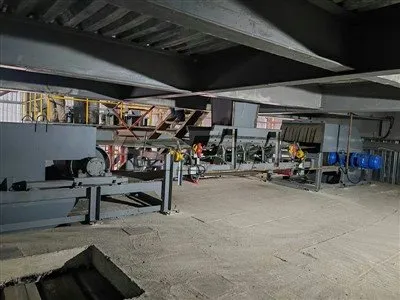
In conclusion, reducing the emissions of submerged arc furnaces requires a comprehensive approach that involves optimizing furnace design, improving charge material quality, implementing advanced process control, installing emission control devices, training staff, and investing in research and development. As a supplier, we are dedicated to providing our customers with the best – in – class solutions and support to help them achieve their emission reduction goals.
Furnace Accessories If you are interested in learning more about our submerged arc furnaces and our emission – reduction solutions, we invite you to contact us for a detailed discussion. Our team of experts is ready to assist you with your specific requirements and help you find the most suitable solutions for your business.
References
- Smith, J. (2018). "Advances in Submerged Arc Furnace Technology for Emission Reduction". Journal of Industrial Furnace Engineering.
- Johnson, A. (2019). "The Impact of Charge Material Quality on Submerged Arc Furnace Emissions". International Journal of Metallurgical Processes.
- Brown, K. (2020). "Process Control Strategies for Reducing Emissions in Submerged Arc Furnaces". Proceedings of the International Conference on Furnace Technology.
Xi’an Ancore Furnace Complete Set Of Equipment Co., Ltd.
As one of the most professional submerged arc furnace manufacturers and suppliers in China, we’re featured by quality products and good price. Please rest assured to buy durable submerged arc furnace made in China here from our factory. We also accept customized orders.
Address: Yongli 11007, No.6 Jinye 1st Road, Yan Ta District, Xi’An City, Shan Xi,China.
E-mail: info@ancorefurnace.com
WebSite: https://www.ancorefurnace.com/
