Hey there! As a supplier of nanofiltration membranes, I’m here to share some essential maintenance measures for these nifty little things. Nanofiltration membranes are super important in a bunch of industries, like water treatment, food and beverage, and even pharmaceuticals. Keeping them in tip – top shape is crucial for their performance and longevity. Nanofiltration Membrane

First off, let’s talk about pre – treatment. This is like the first line of defense for your nanofiltration membranes. You gotta make sure the feed water or solution going into the membrane system is as clean as possible. If there are big particles, like sand, silt, or debris, they can clog up the membrane pores real fast. You can use things like sediment filters to get rid of these larger particles. For example, a 5 – micron sediment filter can catch most of the visible stuff.
Another key thing in pre – treatment is dealing with dissolved substances. Things like hardness (calcium and magnesium ions), iron, and manganese can cause scaling on the membrane surface. You can use water softeners or chemical additives to control the hardness. For iron and manganese, oxidation and filtration methods work well. Oxidizing agents like chlorine or hydrogen peroxide can convert the dissolved metals into insoluble forms, which can then be filtered out.
Now, let’s move on to the operation part. One of the most important things is to maintain the right pressure. Running the membrane system at too high a pressure can damage the membrane. On the other hand, if the pressure is too low, the filtration efficiency will be poor. You need to find that sweet spot based on the specifications of your membrane. Usually, the manufacturer will give you a recommended pressure range.
Flow rate is also crucial. If the flow rate is too high, it can cause turbulence and put extra stress on the membrane. This might lead to membrane damage over time. And if the flow rate is too low, the membrane might not be used effectively, and there could be a build – up of contaminants on the surface. So, you gotta keep an eye on the flow rate and adjust it as needed.
Cleaning is a big deal when it comes to nanofiltration membrane maintenance. There are two main types of cleaning: physical and chemical. Physical cleaning can be as simple as backwashing. Backwashing involves reversing the flow of water through the membrane to dislodge any particles that have accumulated on the surface. This is a quick and easy way to keep the membrane clean on a regular basis.
Chemical cleaning is a bit more involved. You need to use specific cleaning agents depending on the type of contaminants. For example, if there’s a biofilm on the membrane, you might use a disinfectant like sodium hypochlorite. If there’s scaling, an acid – based cleaner could do the trick. But be careful when using chemicals. You need to follow the manufacturer’s instructions to avoid damaging the membrane.
Monitoring is another essential aspect. You should regularly check the performance of the membrane system. This includes measuring things like permeate flow rate, salt rejection, and pressure drop. If you notice any significant changes in these parameters, it could be a sign that something is wrong with the membrane. For example, a decrease in permeate flow rate might mean the membrane is clogged, and an increase in pressure drop could indicate fouling.
Storage is also important, especially if you’re not using the membranes for a while. You need to store them in the right conditions. Usually, they should be stored in a cool, dark place. You might also need to keep them in a solution to prevent drying out and microbial growth. For example, a glycerin solution can be used to keep the membrane hydrated.
Now, let’s talk about some common mistakes to avoid. One big mistake is neglecting pre – treatment. If you don’t properly pre – treat the feed water, you’re just asking for trouble. The membrane will get fouled and clogged much faster, and its lifespan will be significantly reduced.
Another mistake is over – cleaning. Using too many chemicals or cleaning too frequently can damage the membrane. You need to find the right balance between keeping the membrane clean and not causing any harm.
Also, not following the manufacturer’s instructions is a no – no. The manufacturers know their products best, and they provide guidelines for operation, maintenance, and cleaning. Ignoring these guidelines can lead to all sorts of problems.
In conclusion, taking good care of your nanofiltration membranes is essential for getting the most out of them. By following these maintenance measures, you can ensure that your membrane system runs smoothly and efficiently for a long time.
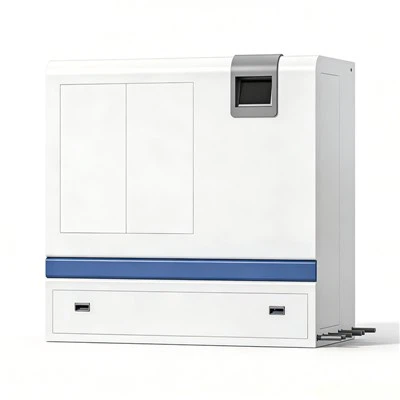
If you’re in the market for high – quality nanofiltration membranes or need more advice on membrane maintenance, don’t hesitate to reach out. We’re here to help you make the most of your investment in nanofiltration technology. Whether you’re a small – scale operation or a large industrial facility, we’ve got the products and expertise to meet your needs. So, if you’re interested in learning more or making a purchase, just drop us a line. We’ll be more than happy to have a chat and discuss how we can work together.
DTRO References:
- "Nanofiltration Membrane Technology: Principles and Applications"
- "Handbook of Membrane Separations: Chemical, Pharmaceutical, Food, and Biotechnological Applications"
Hangzhou Nanoimp Environmental Technology Co., Ltd.
With abundant experience, we are one of the most professional nanofiltration membrane manufacturers and suppliers in China. Welcome to wholesale high quality nanofiltration membrane in stock here and get pricelist from our factory. We also accept customized orders.
Address: Road 25, Baiyang Street, Qiantang District, Hangzhou City, Zhejiang Province
E-mail: keith.wang@nano-sepmer.com
WebSite: https://www.nanoimp-membrane.com/
