Hey there, racing crew, gearheads, and track day regulars — let’s talk about something that’s probably not top of mind when you’re prepping your ride for the weekend, but matters just as much as your roll cage or brake pads: your racing seat belts. I’m stoked I get to drop this because, as a supplier who’s been around these parts for more years than I’d care to admit, I’ve seen way too many guys either over-clean their belts (total rookie move) or let grime build up so bad the webbing’s starting to fray like an old t-shirt. Racing Seat Belts
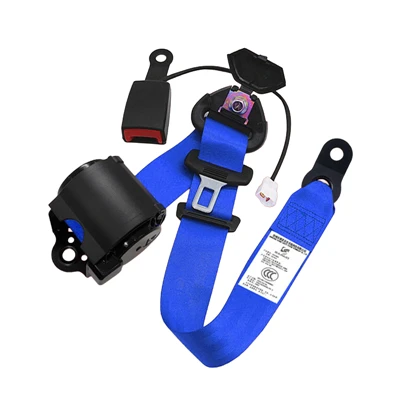
First off, let’s get one thing straight: racing seat belts aren’t your average set of seatbelts from a street car. They’re engineered to hold you tight during a 10g turn, a hard brake, or even that one sketchy spin at the last track day. The webbing’s usually a high-tensile polyester or nylon — and trust me, that stuff’s tough, but it’s not indestructible. Dirt, oil, sweat, brake dust, and even that sticky soda you spilled last month on the track don’t just look gross; over time, they can break down the fibers, weaken the stitching, and make your belts way less effective when you need them most. So cleaning ’em isn’t just about keeping your interior clean — it’s about keeping you safe.
Now, before I dive into the step-by-step, let’s answer a question I get every single week: can you just toss these in the washing machine? Short answer: hell no. Not even on a gentle cycle, and definitely not with detergent that’s got bleach or fabric softener. Wait, hold up — I know what you’re thinking: “My street belts go in the washer all the time!” Yeah, but street belts are designed for daily use, not 8000 RPM shifts and track-day chaos. Fabric softener coats the webbing fibers, which makes them slippery — that’s the last thing you want when you’re relying on 5-point harnesses to keep you from flying into the dash. And bleach? It eats away at the polyester, like rust on a exhaust pipe. So scratch the washing machine. What do you do instead? Let’s break it down.
First, gather your supplies. You don’t need some fancy race-shop kit — stuff you probably have lying around the garage or laundry closet works. We’re talking:
- Cool (not cold, not hot — warm, like bath water) water. Hot water melts the glue on stitching and breaks down webbing, cold just doesn’t cut through grime.
- A mild, gentle detergent — the kind for baby clothes or delicates, no fragrances or added bleach.
- A soft-bristle brush, like an old toothbrush or a small paintbrush with the bristles cut a little shorter. Hard brushes will fray the webbing, so don’t grab that wire brush you use on brake parts.
- A clean, dry towel — microfiber’s best, since it won’t leave lint all over your belts.
- Optional: A mesh laundry bag, if you want to keep buckles and hardware from getting snagged.
Wait, what about the buckles and hardware? Those are just as important as the webbing. Rust or grime on the buckle mechanism can make it stick — and you don’t want your harness stuck half-unlatched if you crash. Don’t submerge the buckles fully, though. Most have metal parts that can corrode if left wet too long. We’ll get to that in the steps.
Now, the step-by-step — I’ve tested this on hundreds of sets, so this ain’t guesswork.
- Prep first. Take your belts out of the car, unclip all the buckles, and lay ’em flat on a clean surface (like your garage floor, just make sure there’s no gravel or sharp rocks on it). If there’s any caked-on grime — like brake dust that’s been there since last spring — knock it off with your hand first, or a dry brush. Don’t scrub wet caked-on gunk, that’ll push it deeper into the fibers.
- Mix your cleaning solution. Fill a bucket with that warm water, and add just a tiny squirt of detergent — like a teaspoon. Too much soap will leave a residue on the webbing, which is bad news. Swish it around until it’s sudsy, but not foamy like a bubble bath.
- Scrub, don’t soak. Dip your soft brush into the solution, wring out most of the water so it’s not dripping. Gently scrub the webbing in small sections — don’t go too hard, just work the brush back and forth with the grain of the fibers. For stubborn spots (that soda stain, or sweat that’s been there for months), you can let the spot sit in the suds for 2-3 minutes before scrubbing, but don’t leave the whole belt soaking. Again, soaking can damage stitching and weaken the webbing.
- Clean the buckles, carefully. Grab a Q-tip (or that small paintbrush) dip it in the soapy water, and work it into the buckle slots, the latches, and any other crevices. Wipe it off right away with a damp towel — don’t let water sit inside the buckle. If the buckle’s got a little rust buildup, you can use a tiny bit of baking soda on the Q-tip to scrub it, but nothing abrasive.
- Rinse properly. Grab another bucket of clean warm water, or use a hose with a gentle spray (no pressure washer — pressure is a killer for webbing). Rinse each section of the belt until the water runs clear, no more suds. For the buckles, use a damp towel to wipe ’em down thoroughly — no standing water here.
- Dry the right way. This is the part most guys mess up. Don’t hang ’em in direct sunlight (ultraviolet rays break down polyester fast) and don’t toss ’em in the dryer (heat melts stitching, shrinks webbing, and ruins the strength). Instead, lay ’em flat on a clean towel, and roll the towel up with the belts inside to soak up excess water. Then unroll ’em, and lay ’em in a shaded, well-ventilated area — like a garage with a fan blowing. Let ’em dry completely, which usually takes 12-24 hours depending on humidity. Don’t rush this — if you put them back wet, you’ll get mold or mildew, which is another weakener.
Wait, what about when you should replace ’em, instead of clean ’em? That’s a question I get all the time, and it’s important. Even if you clean ’em perfectly, belts have a lifespan — usually 5-7 years, even if you don’t use ’em much. But signs to retire ’em early: fraying webbing (if you can see individual fibers sticking out more than a tiny bit), cracked stitching, buckles that stick or won’t latch/unlatch smoothly, or if they were in a crash (even a small one — that webbing takes a permanent stretch, so it might not hold the same). If you see any of that, save yourself the risk and grab a new set.
Now, a few pro tips from someone who’s been supplying racing gear for years. First, do a quick wipe-down after every track day. Grab a microfiber towel and wipe off the webbing and buckles before you put ’em away — that way, grime doesn’t set in, and you won’t have to deep clean as often. Second, never use harsh chemicals — no Windex, no degreasers for engine parts, no bleach. Those will mess with the webbing’s tensile strength, and that’s not something you want to test mid-spin. Third, when storing ’em, don’t wrap ’em tight around something, and don’t leave them folded the same way for months — that can cause creases in the webbing, which are weak points. Fold ’em loosely, or hang ’em on a soft hanger, in a cool, dark spot.

If you’re not sure if your belts are clean enough, or if they need replacing, hit me up. I know what I’m talking about when it comes to these harnesses — I’ve sold thousands, and I’ve helped way too many customers fix their belt mistakes. Whether you need a fresh set for your next build, or you just have questions about care, don’t hesitate to reach out. We’re here for the track crew, the weekend warriors, and everyone in between — let’s keep you safe out there.
Racing Seat Belts References:
- SFI Foundation. (2022). SFI Standard 16.1: Lap Belt and Combination Lap/Shoulder Harness Assembly.
- Society of Automotive Engineers. (2021). SAE J2875: Care, Maintenance, and Inspection of Restraint Systems for Motorsports Vehicles.
- Racing Manufacturers & Suppliers Association. (2020). Best Practices for Motorsports Safety Equipment Care and Replacement.
Yangzhong Weian Mechanical and Electrical Co., Ltd.
As one of the most professional racing seat belts manufacturers and suppliers in China, we’re featured by quality products and good service. Please rest assured to wholesale racing seat belts in stock here and get quotation from our factory. Customized orders are welcome.
Address: Group 10, Xinhua Village, Xilaiqiao Town, Yangzhong City; West of The Bus Terminal On Yuanqu Avenue.
E-mail: hfsaml_2008@qq.com
WebSite: https://www.weianseatbelt.com/
