If you’ve ever stood in a parking lot next to an armored SUV or peered through the windows of a security transport van, chances are you’ve noticed something: not all bulletproof glass is the standard smoky gray or dark tinted look most people associate with ballistic protection. As a supplier of vehicle bulletproof glass, I get this question constantly from fleet managers, security teams, and even private buyers looking to upgrade their personal vehicles: Is bulletproof glass for vehicles available in different colors? The short answer is yes, but the “why” behind that answer isn’t just about aesthetics—it’s a balance of materials science, ballistic performance, and real-world use cases that most people don’t see from the outside. Let me break this down, how it works, where it makes sense, and why it’s not as simple as swapping out a tint film. Bulletproof Glass for Vehicles
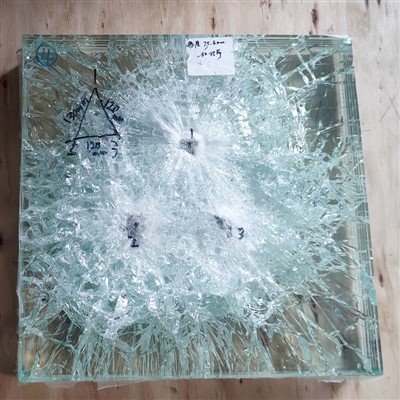
First, let’s get one foundational fact straight: vehicle bulletproof glass isn’t a single piece of material. It’s a layered composite, usually made up of two outer sheets of tempered or laminated glass, a core of polycarbonate (or sometimes acrylic, though polycarbonate is more durable for vehicles), and a interlayer that binds everything together. That core is the key to understanding color. Traditional bulletproof glass uses a clear polycarbonate core because tinting that core would reduce its clarity, which is important for driver visibility. But here’s the thing: tint is applied at two different stages of production, and each has its own limits when it comes to ballistic performance.
Let’s start with the most common color you’ll see on armored vehicles these days: tinted glass, in shades from light gray to deep black. That tint isn’t added to the bullet-resistant core—it’s a polymer film that’s bonded to the outer surface of the glass, or embedded in the interlayer between the glass and polycarbonate. This is the method we use most for security fleets, diplomatic vehicles, and VIP cars because it’s a non-invasive way to add color without altering the ballistic stack. The film we use for this is a specialty tint that meets industry standards for scratch resistance, because it’s exposed to rain, debris, and window washing. Unlike cheap residential window tint, these films won’t peel, fade, or crack even after being exposed to direct sunlight for years, which is critical for a vehicle that’s meant to last.
But why would you want a different color, not just tint? For many clients, especially those in industries like cash-in-transit, border patrol, or even some emergency services, a dark tinted glass can draw unwanted attention. A black armored van stands out in a way that a white or silver vehicle doesn’t. So we developed a process to add color to the outer laminated glass layers, not the polycarbonate core. The outer glass sheets are treated during the tempering process to add a pigment that matches the vehicle’s factory paint color—so if a client has a fleet of white police SUVs, we can make the bulletproof windows the same bright white, no tint. That sounds straightforward, but it’s not without trade-offs. Adding pigment to the glass can slightly reduce its impact resistance if not done correctly, so we have to adjust the layering and interlayer balance to make up for that. For example, we add a thicker polycarbonate interlayer to the stack, which keeps the ballistic rating the same while still matching the vehicle’s color.
There’s a common myth here: some people think that colored bulletproof glass is less effective, and that’s partially true only if it’s made incorrectly. If a vendor just takes a regular tinted film and slaps it on a basic glass, it won’t pass the NIJ (National Institute of Justice) ballistic standards, which are the global benchmark for vehicle armor. But when designed properly—with color integrated into the outer layers and a high-performance polycarbonate core—colored bulletproof glass can meet all the same standards as clear or tinted glass. We test every batch we produce: we fire 9mm rounds, .44 Magnum, and even rifle rounds for higher-level armor, and the color doesn’t fade or compromise the integrity of the glass afterward. That’s why we’ve been able to supply white and silver colored bulletproof glass to several police departments over the last few years—they wanted their armored cars to blend in with regular patrol vehicles, not stand out as obvious targets.
Another area where color customization matters is for specialized vehicles: for example, some wildlife conservation teams use armored trucks to patrol remote areas where they might encounter poachers. A bright green or tan bulletproof glass window lets the truck blend into the forest or desert terrain, which is a tactical advantage. We also supply light blue and gray colors for military utility vehicles, where matching the vehicle’s camouflage pattern is part of the mission design. For these applications, we don’t just add a surface tint—we integrate the color into the outer glass during manufacturing, so it’s part of the material, not a thin film. That makes it much more durable, even in harsh environments where vehicles might be exposed to brush, rocks, or extreme temperatures.
There’s one limit to color customization, though: the polycarbonate core, which is the most important part for stopping bullets, can only be tinted lightly before it becomes too cloudy. If you tried to make the core dark black, the driver wouldn’t be able to see out, which defeats the purpose of vehicle glass. So any deep, opaque color you see on an armored car is always surface tint or glass pigment, not core tint. That’s a critical point to clarify because some unethical vendors will try to pass off regular tinted car windows as bulletproof by saying the core is tinted, but that’s impossible for visibility. We always make sure our clients understand that: if you need a dark, opaque window for a vehicle (like for a cash van where the cargo is inside), we can add a very dark tint to the outer layers, but the driver’s side windows will be lighter because they need clear sightlines.
Let’s talk about a recent example that shows how this works. Last year, we worked with a logistics company that had a fleet of 20 armored cash transport vans. They were using standard dark tinted glass, but they started having issues with theft because people could see the cash inside through the tint. They wanted a lighter, neutral color that still prevented people from looking in, but didn’t draw as much attention. We worked with them to develop a light gray bulletproof glass, with a medium tint on the side windows and a darker, more opaque gray on the rear cargo windows. The color was matched exactly to the vans’ factory paint, so they didn’t stand out on the road like black vans do. After a year of use, they reported a 70% drop in attempts to peer into the windows, because the color made it harder to distinguish the interior, but the driver visibility was still perfect. That’s exactly the balance we aim for as a supplier: color that serves a purpose, not just a style choice.
Another common question: can you make colored bulletproof glass for classic cars or luxury vehicles? Absolutely. We’ve done custom work for collectors who want to keep their vintage cars original but add ballistic protection. For example, we recently fitted a 1960s Rolls-Royce Phantom with clear bulletproof glass that was color-matched to the original window trim, so you can barely tell it’s armored. That’s a different use case, where color isn’t for tactical advantage but for preserving the vehicle’s aesthetics. In those cases, we don’t add any tint at all—we use a clear polycarbonate core and the thinnest interlayers possible, so the glass looks just like the original, but it stops bullets. It’s a more specialized process, because every classic car has unique window dimensions, but it’s something we do regularly for private buyers.
Now, let’s address the costs, because that’s a big factor for most clients. Colored bulletproof glass is usually a little more expensive than standard clear glass, but not by as much as you might think. The cost difference comes from two places: the pigment added to the outer glass, which requires extra manufacturing steps, and the customization to match the vehicle’s color. For fleet orders, the per-window cost difference is usually between 10% and 15%, which is a small price to pay for the tactical or aesthetic benefits. For custom work on luxury or classic cars, it’s a bit more, because each window has to be cut and fitted to the exact shape of the vehicle’s frame, but we keep our pricing transparent so clients know exactly what they’re paying for.
There’s also a misconception that colored bulletproof glass is less scratch-resistant or more prone to damage. That’s only true if the color is a cheap film that’s not properly bonded. The films we use for tint or surface color are the same ones used in industrial applications, with a hard coat that resists scratches from window wipers, debris, and cleaning chemicals. The glass with integrated pigment is also just as durable as standard glass, because we adjust the tempering process to ensure it’s strong enough. We have a 5-year warranty on all our glass, regardless of color, and we’ve never had a client report discoloration or damage from the color layers.
So, to circle back to the original question: yes, vehicle bulletproof glass is available in a wide range of colors, from bright white and silver to tan, gray, and even subtle tints that match factory paint. The key is that the color is applied in a way that doesn’t compromise the ballistic performance, which is the most important thing for any armored vehicle. As a supplier, we don’t just sell glass—we work with clients to understand their needs: are they looking to blend in, stand out for security, or preserve the look of a luxury car? Then we tailor the color and the glass stack to meet those needs, while still meeting all industry safety standards.

If you’re considering upgrading your vehicle’s security with colored bulletproof glass, or have questions about ballistic performance for your fleet, we’re here to help. We can provide custom quotes, test samples, and guidance on the best color and stack for your specific use case. Don’t hesitate to reach out to discuss your project.
Bulletproof Glass for En1063 Standard References
- National Institute of Justice. (2020). Ballistic Resistance of Body Armor and Vehicle Armor: NIJ Standard-0101.07. U.S. Department of Justice.
- Glass Association of North America. (2021). Laminated Glass for Armored Vehicle Applications: Material Properties and Performance Standards. GNA Technical Bulletin 12.
- Polycarbonate Manufacturing Association. (2019). Specialty Polycarbonate Composites for Vehicle Armor: Durability and Color Customization. PCA Industrial Report 04-19.
- International Organization for Standardization. (2022). ISO 16923:2022, Road Vehicles—Armored Vehicles—Test Methods and Requirements for Armored Glass. ISO.
Shaoxing Transparent Armoring Materials Co., Ltd.
As one of the most professional bulletproof glass for vehicles manufacturers and suppliers in China, we’re featured by quality products and good service. Please rest assured to buy durable bulletproof glass for vehicles made in China here from our factory. We also accept customized orders.
Address: No.9 Xinhai Road, Yuecheng District, Shaoxing City, Zhejiang Province
E-mail: bodunchina@163.com
WebSite: https://www.king-armor.com/
