In the industry of metal products, perforated mesh sheets are indispensable materials with a wide range of applications, from architectural decoration to industrial filtration. As a provider deeply involved in the perforated mesh sheet business, I’ve witnessed firsthand the varying needs of customers and the importance of understanding the differences between thin – and thick – perforated mesh sheets. This knowledge not only helps our clients make informed decisions but also ensures that the products they select are perfect for their projects. Perforated Mesh Sheet
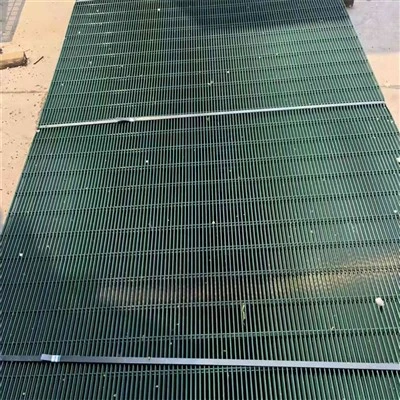
I. Physical Characteristics
First and foremost, let us delve into the fundamental physical differences between thin – and thick – perforated mesh sheets. The most obvious distinction lies in their thickness. A thin – perforated mesh sheet typically has a thickness ranging from 0.3mm to 1.5mm. In contrast, a thick – perforated mesh sheet can have a thickness of 2mm or more, sometimes reaching up to 10mm or even thicker depending on the specific requirements.
This difference in thickness directly affects the weight of the mesh sheets. Thin mesh sheets are significantly lighter, which can be a crucial factor when considering transportation costs and ease of handling during installation. For instance, in a large – scale architectural project where thousands of square meters of mesh are needed, the weight of the material can impact the overall logistics and manpower required.
In terms of flexibility, thin perforated mesh sheets are much more malleable. They can be easily bent, rolled, or shaped into different forms. This makes them ideal for applications that require custom – designed shapes, such as decorative elements in interior design or curved screens. On the other hand, thick perforated mesh sheets are more rigid. Their stiffness helps them maintain their shape under heavy loads and harsh environmental conditions, which is essential for structural and industrial applications.
II. Manufacturing Process
The manufacturing process of thin – and thick – perforated mesh sheets also varies. For thin mesh sheets, stamping is a commonly used method. Stamping involves using a punch and die set to create holes in the metal sheet. This process is fast and cost – effective for producing large quantities of thin mesh with consistent hole sizes and patterns. The high – speed nature of stamping allows us to meet tight deadlines for our clients who need urgent supplies.
However, when it comes to thick perforated mesh sheets, laser cutting and CNC punching are more prevalent. Laser cutting offers high precision and can create complex hole patterns. It is especially suitable for thick materials because it can cut through the metal cleanly without causing excessive deformation. CNC punching, on the other hand, provides flexibility in hole size and pattern design. It uses computer – controlled machinery to position the punches accurately, ensuring high – quality perforations in thick metal sheets.
III. Mechanical Properties
The mechanical properties of thin – and thick – perforated mesh sheets differ significantly. Tensile strength is one of the key aspects. Thick perforated mesh sheets generally have higher tensile strength due to their greater thickness. This means they can withstand larger pulling forces without breaking. In industrial environments where the mesh may be subjected to heavy mechanical stress, such as in conveyor belts or screening equipment, thick mesh is often the preferred choice.
In terms of impact resistance, thick perforated mesh sheets also outperform their thin counterparts. They can absorb more energy from impacts, making them more suitable for applications where the mesh may be hit by objects, such as in protective barriers or machine guards. Thin mesh sheets, while less impact – resistant, are still useful in applications where the risk of impact is relatively low, like in air diffusion panels.
IV. Applications
The distinct characteristics of thin – and thick – perforated mesh sheets lead to different application scenarios.
A. Thin – perforated Mesh Sheets
- Architectural Decoration: Their light weight and flexibility make thin mesh sheets popular in architectural decoration. They can be used to create unique facades, sunshades, and interior partitions. For example, a modern building may use a thin perforated mesh sheet as a sunshade to control sunlight penetration while adding an aesthetically pleasing element to the exterior.
- Filtration: In some low – pressure filtration applications, such as air filters in HVAC systems or small – scale water filtration, thin mesh sheets are sufficient. Their small hole sizes can effectively trap particles while allowing the fluid to pass through.
B. Thick – perforated Mesh Sheets
- Industrial Filtration: In heavy – duty industrial filtration processes, such as in mining, oil and gas, or chemical industries, thick perforated mesh sheets are essential. They can handle high – pressure fluids and large – volume filtration tasks. For example, in a mining operation, thick mesh is used to separate different sizes of ore particles.
- Structural Components: Due to their high strength, thick perforated mesh sheets are often used as structural components. They can be used in platforms, walkways, and gratings in industrial settings, where they need to support heavy loads and resist wear and tear.
V. Pricing Considerations
Price is an important factor that customers often take into account. Generally, thick perforated mesh sheets are more expensive than thin ones. This is mainly because of the higher material cost associated with the greater amount of metal used and the more complex manufacturing processes required. Laser cutting and CNC punching for thick mesh are more time – consuming and require more advanced equipment compared to the stamping process for thin mesh.
However, it’s important to note that the price difference should be evaluated in the context of the specific application. Sometimes, investing in a more expensive thick mesh sheet can save money in the long run by reducing maintenance costs and improving the overall lifespan of the product.
VI. Making the Right Choice
As a trusted provider of perforated mesh sheets, I understand that choosing the right type of mesh can be a daunting task for our customers. The key is to clearly define the requirements of the project. Consider factors such as the level of mechanical stress, the desired aesthetic effect, and the budget.
If you are working on a decorative project with low mechanical stress, a thin – perforated mesh sheet may be the best option. It will offer the flexibility you need to create unique designs at a relatively low cost. On the other hand, for industrial applications where strength and durability are crucial, a thick – perforated mesh sheet is definitely the way to go.
We have a team of experienced professionals who are ready to assist you in making the right decision. We can provide detailed technical advice and samples to help you visualize how the mesh will perform in your specific application.
VII. Conclusion and Call to Action
In conclusion, the differences between thin – and thick – perforated mesh sheets are significant in terms of physical characteristics, manufacturing processes, mechanical properties, applications, and pricing. Understanding these differences is essential for selecting the most suitable product for your project.
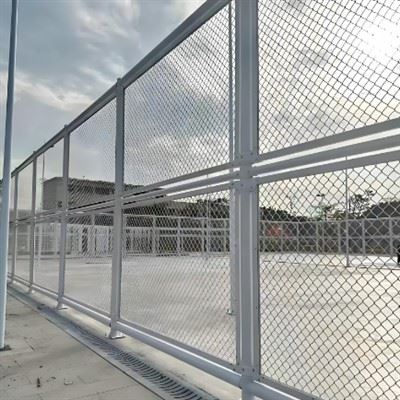
Whether you are an architect looking for a decorative solution, an engineer in need of a reliable filtration material, or a project manager responsible for a large – scale industrial installation, we have the expertise and the product range to meet your needs.
Wire Mesh Panel If you are interested in learning more about our perforated mesh sheets or would like to discuss your specific requirements, please do not hesitate to contact us. We are eager to engage in procurement discussions with you and help you find the perfect perforated mesh sheet solution for your project.
References
- ASM Handbook Volume 14: Metalworking: Sheet Forming.
- Perforated Metal Handbook by Perforated Metals Council.
- Industrial Filtration Handbook, Third Edition by Peter A. Schweitzer.
Anping Binze Wire Mesh Products Co., Ltd.
We are one of the most experienced perforated mesh sheet manufacturers and suppliers in China, also support customized service. Please feel free to buy high quality perforated mesh sheet for sale here from our factory. For price consultation, contact us.
Address: Taicheng Industrial Zone, Anping County, Hengshui City, Hebei Province
E-mail: binzemesh@outlook.com
WebSite: https://www.binze-mesh.com/
