Hey there! I’m a supplier of printed food bags, and I know how important it is to store these bags properly to prevent damage. If the bags get messed up, it’s not just a waste of product but also a potential headache for your business. So, in this blog, I’ll share some tips on how to store printed food bags effectively. Printed Food Bags
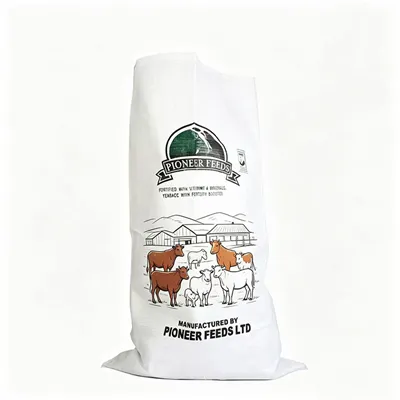
1. Choose the Right Storage Area
The first thing you gotta do is pick a good storage area. You want a place that’s clean, dry, and well – ventilated. Moisture is the enemy when it comes to printed food bags. If the air is too humid, it can cause the ink on the bags to smudge or the bags themselves to become brittle.
I once had a client who stored their bags in a basement that had a moisture problem. The bags ended up getting moldy in some areas, and the print was fading. It was a real mess! So, aim for a place with a humidity level between 40% – 60%. You can use a hygrometer to measure the humidity.
Also, keep the storage area away from direct sunlight. Sunlight can fade the colors of the printed design on the bags. I’ve seen plenty of bags that were stored near a window, and the bright sunlight made the vibrant prints look dull over time. And it’s not just sunlight; extreme heat can also warp the bags. You want to store them in a place where the temperature stays between 60°F – 80°F (about 15°C – 27°C).
2. Use Proper Shelving and Containers
Invest in some good-quality shelving or storage containers. If you just stack the bags on the floor, they’re more likely to get crushed or damaged. Shelving allows you to organize the bags in an orderly way, making it easier to access them when you need them.
When using shelves, make sure they’re strong enough to hold the weight of the bags. You don’t want a shelf to collapse and spill all your bags everywhere. And if the shelves are adjustable, that’s even better. You can customize the space between the shelves depending on how big the bags are.
As for containers, plastic storage bins are a great option. They protect the bags from dust and pests. Just make sure the bins have lids that fit tightly. If you’re storing a large number of bags, label the bins clearly. This way, you can quickly find the type of bag you need without having to rummage through a bunch of containers.
3. Proper Stacking Techniques
How you stack the printed food bags matters a lot. First, don’t stack them too high. If the stack is too tall, the bags at the bottom can get crushed under the weight. I usually recommend keeping the stack at a height that you can easily manage without risking the stability of the stack.
Another thing is to stack the bags neatly. If they’re all jumbled up, it can be hard to move them around without causing damage. You can stack them in a way that they’re aligned, with the edges of the bags matching up. This not only looks better but also helps to distribute the weight evenly across the stack.
If you’re dealing with different sizes of bags, it’s a good idea to stack them separately. Mixing different sizes can make the stack unstable and increase the risk of damage.
4. Protect from Pests and Rodents
Pests and rodents can be a real pain when it comes to storing printed food bags. They can chew on the bags, leaving holes and ruining the product. To prevent this, keep your storage area clean. Sweep the floors regularly to get rid of any food crumbs or debris that might attract pests.
Seal any cracks or holes in the walls, floors, or ceilings of the storage area. These are the entry points for pests. You can use caulk or other sealants to fill them up.
You can also use pest control products, but be careful. Make sure they’re safe to use around food – related products. Some pesticides can leave residues that could contaminate the bags. If possible, use natural pest control methods, like placing bay leaves or peppermint oil around the storage area. Rodents and some pests don’t like the smell of these natural substances.
5. Inventory Management
Proper inventory management is crucial for preventing damage to printed food bags. Keep track of when you received the bags and when they were manufactured. Use the "first in, first out" (FIFO) method. This means that you use the oldest bags first.
By following the FIFO method, you reduce the chances of the bags sitting in storage for too long. Over time, the materials of the bags can degrade, even if they’re stored properly. So, it’s better to use them in a timely manner.
You can use a simple spreadsheet or an inventory management software to keep track of your stock. This way, you’ll always know how many bags you have, where they’re located in the storage area, and when they were received.
6. Handling During Storage
When you’re moving the printed food bags around in the storage area, handle them with care. Don’t drag them across rough surfaces, as this can scratch the print or damage the bag material. Lift the bags gently and support them properly to prevent tearing.
If you need to move a large number of bags, use a dolly or a cart. This makes the process easier and reduces the risk of dropping or damaging the bags.
7. Inspect Regularly
Make it a habit to inspect your printed food bags regularly. Check for any signs of damage, such as tears, holes, or fading of the print. If you catch any issues early, you can take steps to fix them or prevent further damage.
During the inspection, also look for signs of pests or moisture problems. If you notice any mold or mildew on the bags, remove the affected bags immediately and take steps to improve the humidity in the storage area.
Wrapping Up and Reaching Out
Properly storing printed food bags is essential to maintain their quality and appearance. By following these tips, you can ensure that your bags stay in great condition until they’re ready to be used.
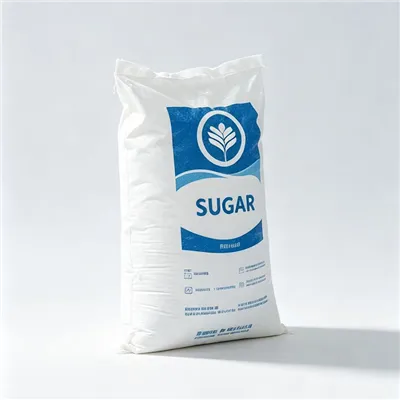
If you’re in the market for high – quality printed food bags, we’re here to help. We offer a wide range of printed food bags in different sizes, designs, and materials. Whether you’re a small local bakery or a large food chain, we have the perfect solution for you.
Construction Waste Bags Get in touch with us to discuss your specific needs. Let’s work together to find the best printed food bags for your business and ensure they’re stored in the best possible way.
References
- Packaging Association of America. "Best Practices for Storing Food Packaging Materials."
- Food Packaging Magazine. "Protecting Printed Food Bags from Damage During Storage."
- Industry research on food packaging storage and preservation.
Liaoning Xunlian Packaging Products Co., Ltd.
Liaoning Xunlian Packaging Products Co., Ltd. is one of the most professional printed food bags manufacturers and suppliers in China, featured by quality products and good service. Welcome to wholesale CE approved printed food bags made in China here and get quotation from our factory. Customized orders are welcome.
Address: Chaoyang Industrial Park, Kangping, Shenyang, Liaoning, China.
E-mail: info@xunlianpack.com
WebSite: https://www.xunlianpack.com/
